How Property Taxes Work in Clark County
Each January, Clark County updates assessed property values, which helps determine property taxes for the following year. While higher values often raise concern, assessed value does not directly equal higher taxes. Instead, it determines how taxes are shared across property owners.
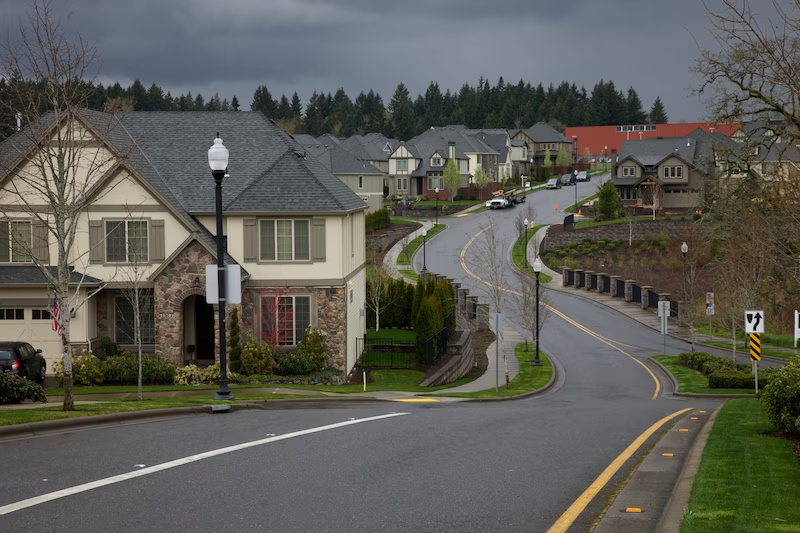
Taxing districts start with a fixed dollar amount they are legally allowed to collect, usually approved by voters. That total is then divided across all assessed property values to set the tax rate. If values rise across the board, individual tax bills may not increase as much as expected. Assessed values are about fair distribution, not generating more revenue.
New construction is another area of confusion. Adding homes does not immediately allow districts to collect more money. In some cases, it can even spread existing tax obligations across more properties. Over time, new construction adds revenue, but only within voter approved limits.
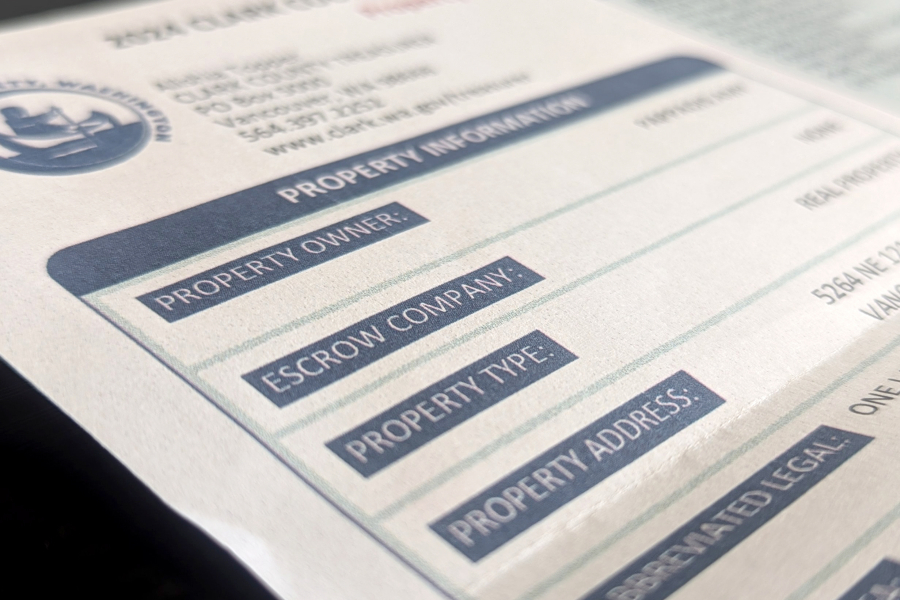
There is also a difference between real estate value and business value. High profile commercial sales often include operations and income, while the county assesses only the land and buildings themselves.
Banked capacity can also affect tax bills. When districts do not take their allowed annual increase, that unused amount can be saved and applied later. When it is used, it can feel sudden even though the authority has existed for years.
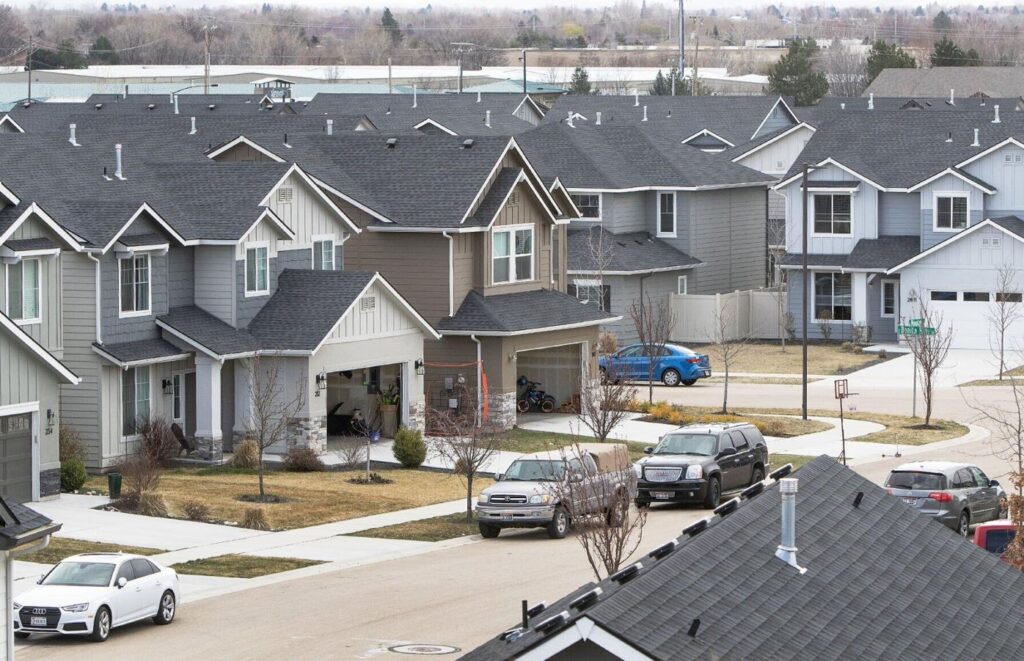
Most property tax revenue does not stay with the county. The majority is distributed to schools, cities, and special districts.
If you are buying, selling, or planning ahead, understanding how property taxes work is critical. I am always happy to help break it down and factor taxes into a smart, long term strategy!