A More Balanced Housing Market Is Taking Shape
For the better part of five years, the U.S. housing market has felt like a seesaw stuck at one end, first tipping hard toward sellers, then lurching toward buyers as rates climbed. New survey data suggests that seesaw is finally settling closer to the middle.
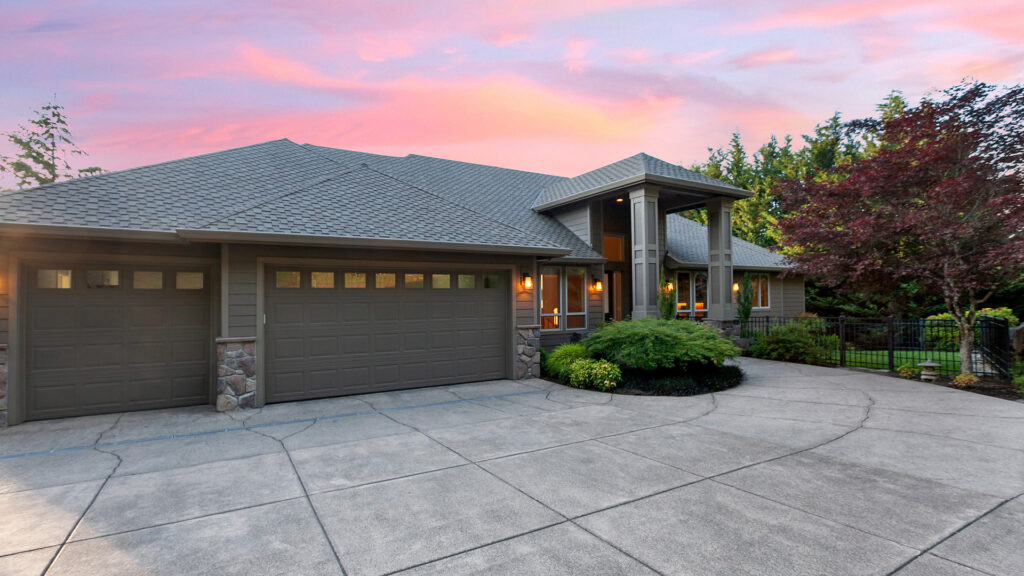
According to CNBC’s latest Housing Market Survey, 44% of real estate agents described current conditions as “balanced” in the second quarter of 2026, up sharply from just 30% a year earlier. That’s a meaningful shift, and it’s showing up in the day-to-day details of how deals are getting done.
Price cuts, for one, are becoming less common. Fifty-seven percent of agents reported at least one price reduction on a listing this quarter, a steep drop from 89% back in the third quarter of 2025. Contracts are also falling through less often: only 40% of agents saw a deal collapse in Q2, compared to 51% just one quarter earlier.
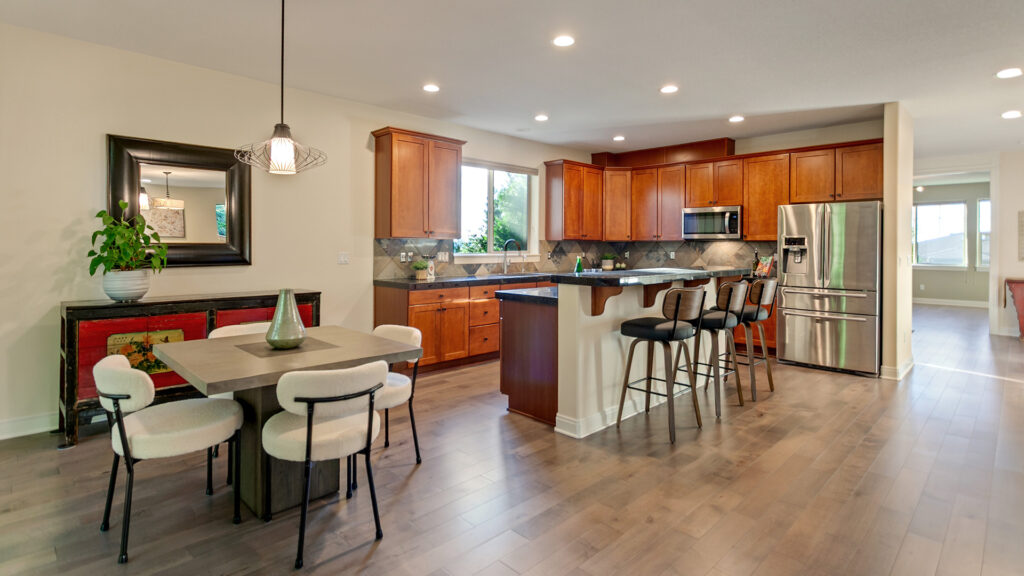
That doesn’t mean buyers have lost their leverage. Mortgage rates remain the top concern for house hunters, cited by 37% of agents as the biggest obstacle buyers are facing, up from 26% at the end of last year. Most agents also aren’t expecting a dramatic pickup in sales activity anytime soon. Just 19% predict things will improve in the coming months, with the rest expecting conditions to hold roughly steady.
Here in the Pacific Northwest, we’re seeing echoes of this national trend across our markets. Buyers who’ve been waiting on the sidelines are finding a little more room to negotiate, while sellers who price realistically are still closing deals without the drama of a bidding war or a stale listing.

If you’ve been holding off because the market felt unpredictable, this is worth paying attention to. A more balanced market tends to reward preparation over urgency, whether that means getting pre-approved before you start touring homes or working with your agent on a pricing strategy that reflects where buyers actually are, not where the market was two years ago.
If you have questions about what these shifts mean for your local market, whether that’s Portland Metro, Southwest Washington, the Mid-Willamette Valley, or Central Oregon, reach out anytime. I am always happy to help you make sense of the numbers!