


Affordable Housing Takes Center Stage in Salem’s Growth
Salem saw plenty of change this year, but the most meaningful story is how much of that momentum is tied to housing access. New projects downtown and beyond are adding units at a time when inventory and affordability continue to be real pressure points for local families. City leaders have said the pipeline is active, even as some developers hit pause because of broader economic uncertainty and rising costs.
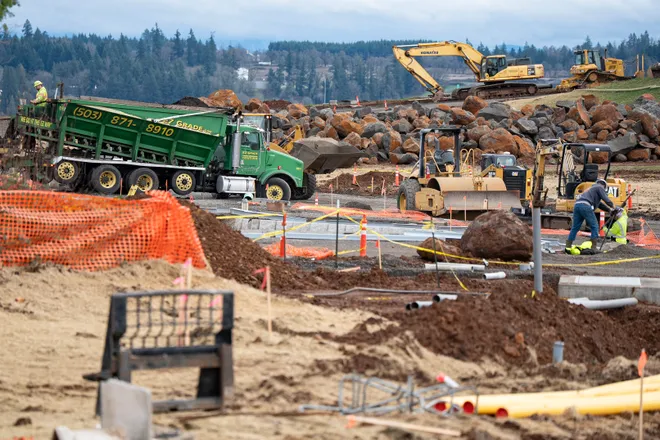
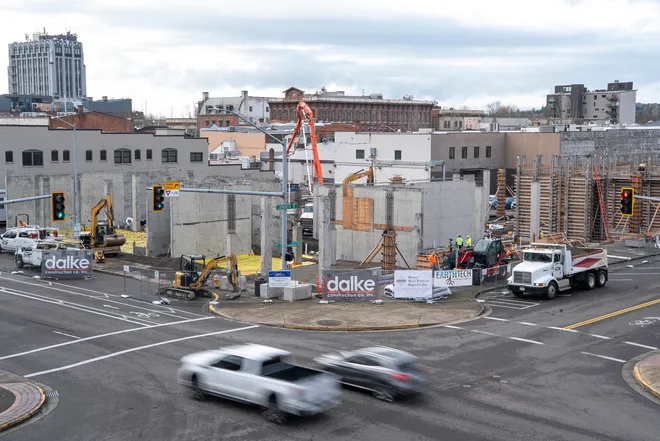
One of the biggest downtown housing projects underway is Citizen Apartments at 277 High Street NE, the former Salem City Hall site. The six story mixed use building is planned for 105 total units, with 16 designated as affordable through the city’s Multiple Unit Housing Tax Incentive Program. Construction began in October, and the current target is completion in spring 2027. It is also a good example of how Salem is pairing new development with incentives to carve out affordability inside higher cost projects.
The largest near term affordability headline is Gussie Belle Commons, rising at the former Salem General Hospital site. The full plan totals 180 affordable units, with the first 120 units opening first and additional buildings scheduled to follow. The rent structure is geared toward households at different income levels, including units set aside for residents earning 30% and 60% of area median income. Interest is already high, with more than 200 households reported on the waiting list for the first phase, and partner organizations helping connect residents to supportive services for the lowest rent units.
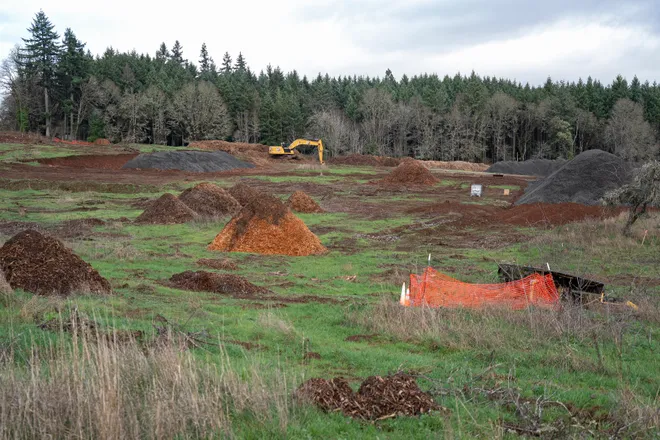
Downtown’s next major mixed use housing play is Block 50, the redevelopment area north of Chemeketa between Commercial and Front. The concept includes two phases of blended market rate and affordable multifamily housing with retail and public space. Phase one is planned for 140 apartments with 21 affordable units, plus retail and a plaza. Phase two is planned for 90 additional units with 14 affordable units and on site parking. Altogether, the proposal targets 15% of the total homes as affordable for households at 80% or less of the median area income, which matters because it builds affordability into the fabric of downtown rather than isolating it.
The standout takeaway is this: Salem’s housing conversation is no longer just about adding units, it is increasingly about adding the right mix of units, including income restricted options that help more residents stay rooted here.
If you want to talk through what these projects could mean for values, rental demand, neighborhood momentum, or your own buying and selling plans, reach out anytime! I’m happy to help you make sense of what is being built, where it is happening, and how to position yourself for what comes next.
