What to Know Before Buying a Foreclosed Home
Foreclosed homes can be one of the more affordable paths into homeownership or investing, but the process works differently than a traditional home purchase, and there’s more than one way it can play out. Understanding the paths before you get started makes the whole process far less intimidating.
Foreclosure begins when a borrower can no longer keep up with mortgage payments and the lender moves to seize and eventually sell the property to recover its losses. From there, buyers generally have three different ways to purchase the home, and each comes with its own rules.
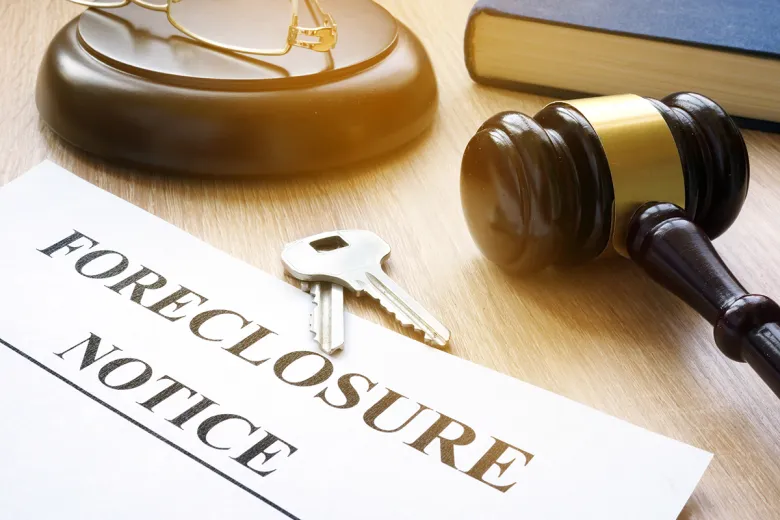
Path one: the auction
At a public auction, the home sells to the highest bidder, typically at the county courthouse or through an online platform. Most jurisdictions require cash or certified funds on the day of sale, so traditional mortgage financing isn’t an option here. This route tends to favor experienced investors who can move fast and absorb risk.
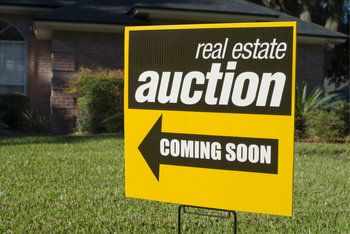
Path two: REO, or bank-owned
If a home doesn’t sell at auction, it becomes REO, or real estate owned, meaning the bank takes it back and lists it through a licensed real estate agent, typically at or near market value. This is the most approachable path for everyday buyers. Inspections are generally allowed, and conventional, FHA, and VA financing are all accepted as long as the property passes appraisal.
Path three: short sale
A short sale happens before foreclosure is finalized, when a struggling homeowner sells the property for less than what’s owed on the mortgage, with the lender’s approval. These can move slower than a typical purchase since the bank has to sign off, but they often result in a home in better condition than one that’s sat vacant through a full foreclosure process.

Across all three paths, the appeal is largely the same: foreclosed homes typically sell 10% to 35% below comparable non-distressed properties, creating real potential for built-in equity. The catch is that most are sold as-is, meaning the bank won’t make repairs, and homes that sat vacant during the previous owner’s financial struggles may need real work.
Whether you are considering a foreclosure as your next home or as an investment property, knowing what you’re getting into upfront makes all the difference. If you have questions about foreclosure opportunities in your local market, reach out anytime. I am always happy to help you weigh the pros and cons!