


Can Salem Build Fast Enough to Meet Demand?
By 2035, Salem’s population within the urban growth boundary is expected to hit 270,000. That growth means roughly 23,355 new housing units will need to be added between 2015 and 2035 just to keep pace with demand. The city’s current goal is to add about 1,170 units per year — but progress is lagging behind that target.
Right now, less than half of Salem households can afford the average rent of $1,700, and only about 16% can afford the median home price of $435,000. Over the past 20 years, Salem has gone from being one of the more affordable housing markets in the country to one of the least. Rising land costs, permitting fees, and limited buildable land have made it increasingly difficult to provide homes at price points the average family can afford.
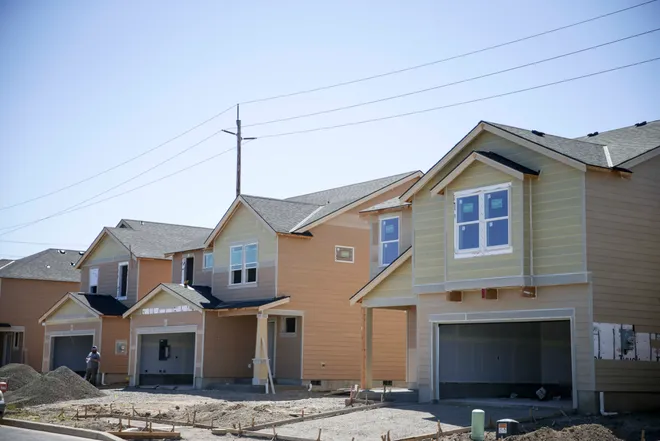
The city has responded with a Housing Needs Analysis and Housing Production Strategy — 17 action items aimed at increasing housing supply, speeding up permitting, improving zoning flexibility, funding infrastructure, and offering incentives for development. These strategies include everything from streamlining the approval process to expanding ready-to-build plans and creating more opportunities for middle housing, cottages, and accessory dwelling units.
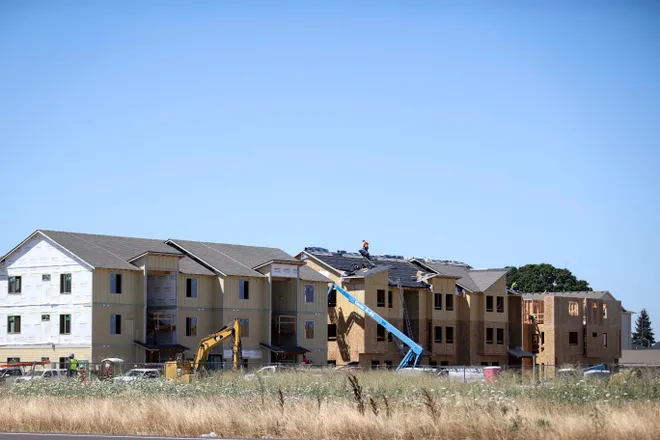
Some progress has been made with projects like East Park Village, Gussie Belle Commons, and other multi-family communities adding hundreds of units. Rezoning has opened up 1,800 acres for mixed-use or multi-family housing and affordable housing developers have received fee waivers to make their projects more viable. Still, Salem has produced just over a third of the units needed to meet the state’s eight-year housing goal.
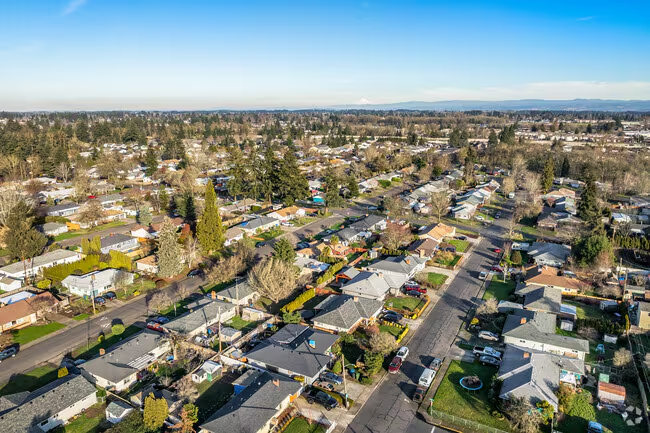
The mix of housing is also shifting. Two-thirds of new construction is now multi-family, while single-family homes make up just one-third — a reversal of what was seen a decade ago. This shift reflects the realities of cost and demand, but it also highlights a challenge: more and more families are renting instead of owning.
While there’s no single solution, the city’s approach is to remove barriers where possible and create an environment where builders can deliver the variety of homes the community needs. That includes everything from affordable apartments to attainable single-family homes near transit, shopping, and services.
The bottom line? Salem’s housing market is at a turning point. Demand is strong, supply is lagging, and affordability is a pressing challenge. Whether you’re looking to buy, sell, invest, or simply keep tabs on market trends, understanding these shifts can help you make smart real estate decisions.
If you have questions about where the market is headed, or if you’re considering making a move, I’d love to put my expertise to work for you! Let’s talk strategy and make sure you’re positioned to succeed in today’s market.
