How Older Homes Are Defining the Market
Across the U.S., home prices have risen significantly over the past several years, even as affordability has been impacted by higher mortgage rates and ongoing inflation. At the same time, the supply of new homes has not kept pace with demand, creating a gap that continues to shape the market.
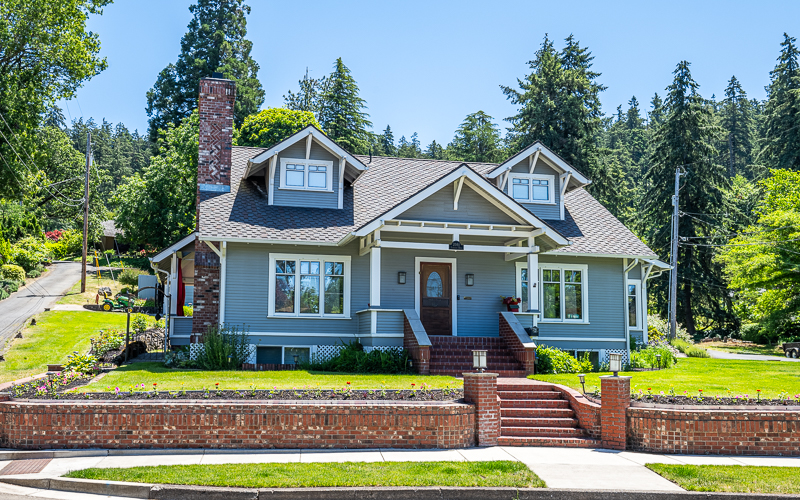
That shortage has led to a steady increase in the age of available homes. The median home in the U.S. is now over 40 years old, and that number has been climbing for decades.
In Oregon, the trend closely mirrors the national picture. The median home age sits just over 40 years, with nearly half of all homes built before 1980.

What this means for buyers is simple. Many are competing for homes that were built in a very different era, often requiring updates, repairs, or ongoing maintenance. Older homes can offer character, established neighborhoods, and in some cases a lower entry price, but they also tend to come with higher long-term costs.
Maintenance is where the difference becomes clear. Older homes are more likely to require repairs and can cost many times more annually to maintain compared to newer construction.
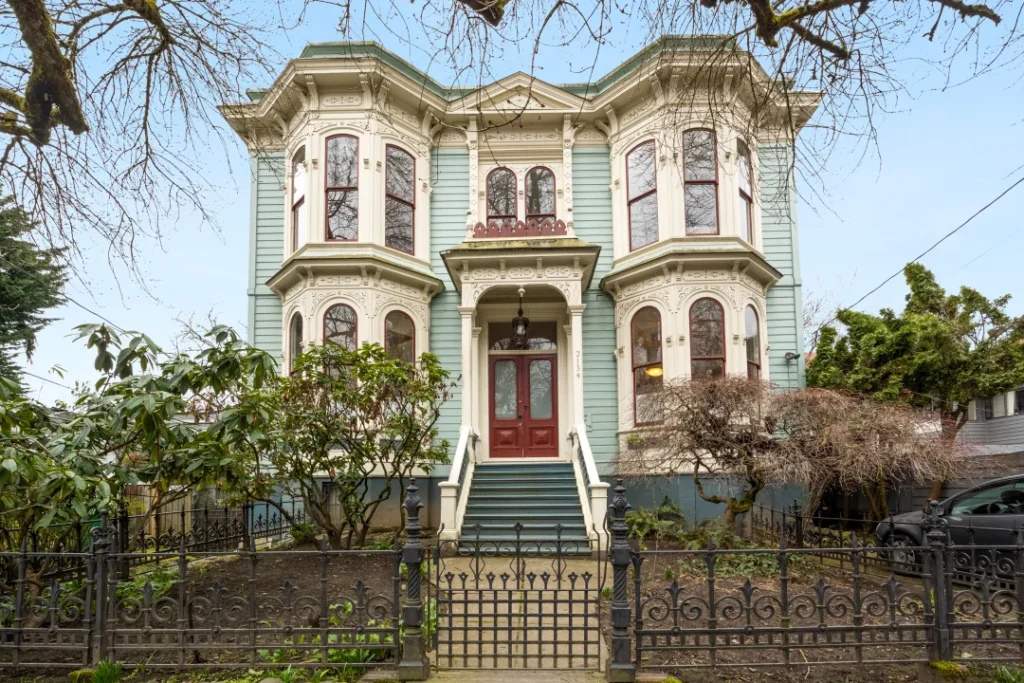
At the same time, the lack of new construction continues to put pressure on inventory. Years of underbuilding following the last housing downturn have created a supply gap that is still being worked through today.
This dynamic is shaping how buyers approach the market. Some are leaning toward newer construction to reduce maintenance concerns, while others are willing to take on older homes in exchange for location or price.
From a broader perspective, this is one of the key reasons the market feels competitive even when activity slows. It is not just about demand. It is about the type of homes available and how well they meet today’s expectations.
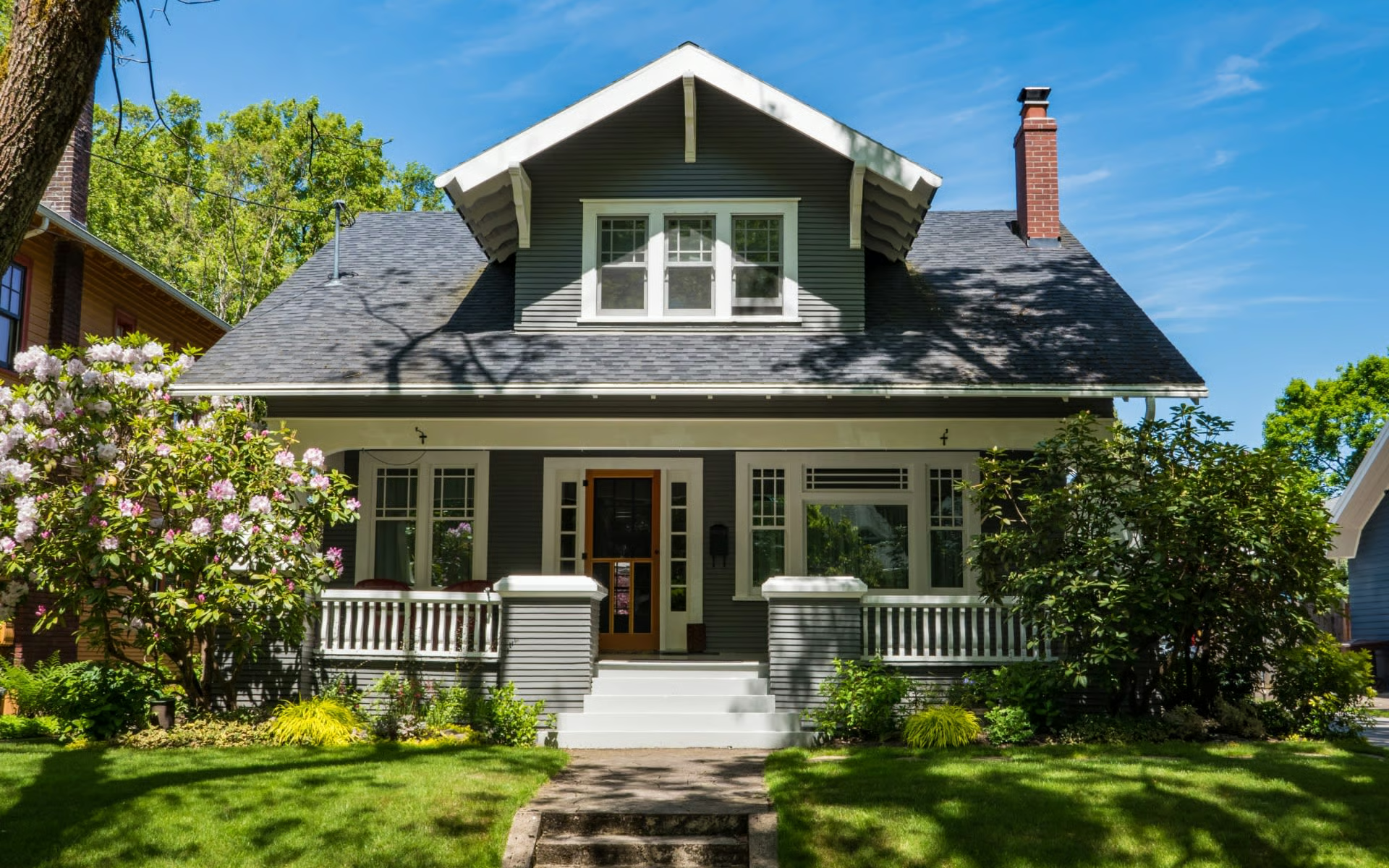
For sellers, this creates an opportunity. Homes that are well maintained, updated, and move-in ready tend to stand out more than ever, especially when buyers are weighing the true cost of ownership beyond just the purchase price.
Understanding the age and condition of housing is no longer a small detail. It is a major factor in how homes are valued, marketed, and ultimately sold.
If you are thinking about buying, selling, or investing, having a clear strategy around property condition, upgrades, and long-term costs can make a meaningful difference. Reach out anytime if you want to talk through how to position your home or find the right opportunity in today’s market!