Inside the Housing Constraints Facing Mid-Valley Communities
Housing growth looks very different once you move beyond larger metro areas. Communities like Keizer, Silverton, and Monmouth are all trying to add housing, but each is running into very real constraints that make progress slow and complicated. There’s no single issue holding these cities back. Instead, it’s a mix of land limitations, infrastructure capacity, and regulatory hurdles that are difficult to solve quickly.

In Keizer, the challenge starts with geography. The city is essentially boxed in, sharing boundaries with Salem and lacking room to expand outward. With limited ability to grow laterally, Keizer’s strategy has shifted toward building within existing city limits. That means more infill, higher density projects, and redevelopment of older sites. Former farms and underused properties are being converted into apartments and mixed-use developments, supported by infrastructure investments like road and sidewalk improvements. It’s a practical approach, but one that takes time and coordination.
Silverton faces a different kind of bottleneck. While land availability is part of the equation, infrastructure is the bigger concern. The city’s water treatment capacity is nearing its limits, and without a major investment in a new facility, future housing growth could stall altogether. Construction costs have risen faster than funding sources, putting pressure on city leaders to balance growth goals with basic service capacity. Until that gap is closed, Silverton’s ability to approve new homes remains uncertain.
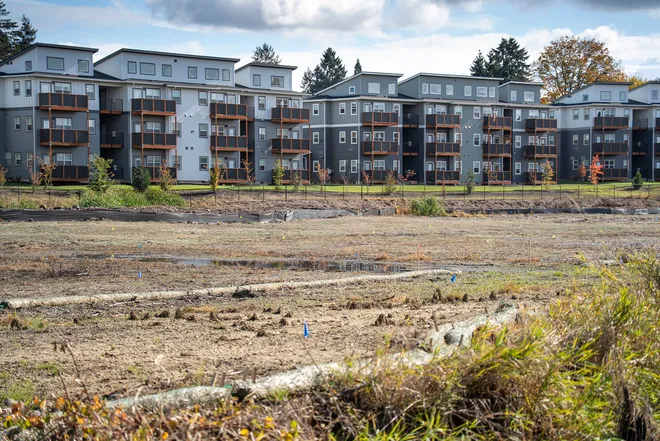
Monmouth’s challenge has centered on land that exists on paper but isn’t actually developable. Much of the undeveloped land within the city’s boundary has been held by owners unwilling to sell, leaving builders with few viable options. To move forward, Monmouth pursued legislative changes that allowed land swaps, bringing new developable acreage into play. Even with that progress, approvals and planning take time before homes can actually be built.
What ties these cities together is the broader reality of Oregon’s land use system. Urban growth boundaries were designed to manage sprawl, but they also mean cities must work within tight constraints. Expanding a boundary is expensive, time-consuming, and often controversial. Even when laws are adjusted to help, they don’t instantly translate into new housing on the ground.
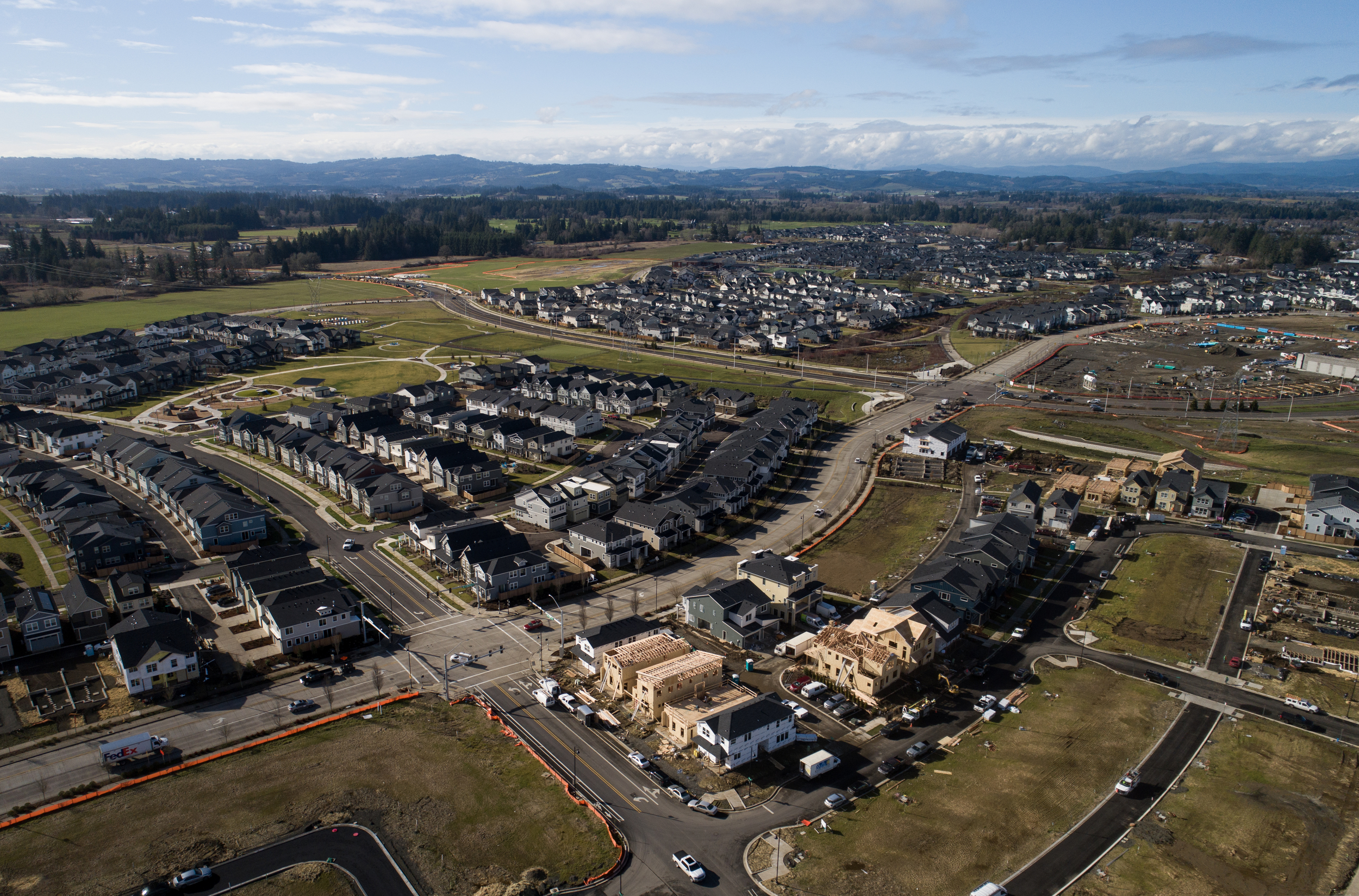
For homeowners, buyers, and investors, these dynamics matter. Limited new supply in smaller communities can put pressure on existing housing stock, affect pricing, and influence long-term growth patterns. Understanding where housing can and cannot be built helps clarify why certain markets behave the way they do.
If you’re considering buying, selling, or investing in the Mid-Valley, or simply want to understand how local housing constraints could impact your property value over time, I’m always happy to talk it through. Reach out anytime for a clear, local perspective and a strategy that fits both today’s conditions and your long-term goals.