Kitchen Islands: Smart Upgrade or Overspend?
Kitchen islands have become almost synonymous with the modern dream kitchen. For many homeowners, especially those remodeling or building new, a large island feels like the centerpiece that ties everything together. Recently, however, there has been more discussion about whether islands always make sense. Like most design decisions, the answer depends on the home, the layout and the long term goals for the space.
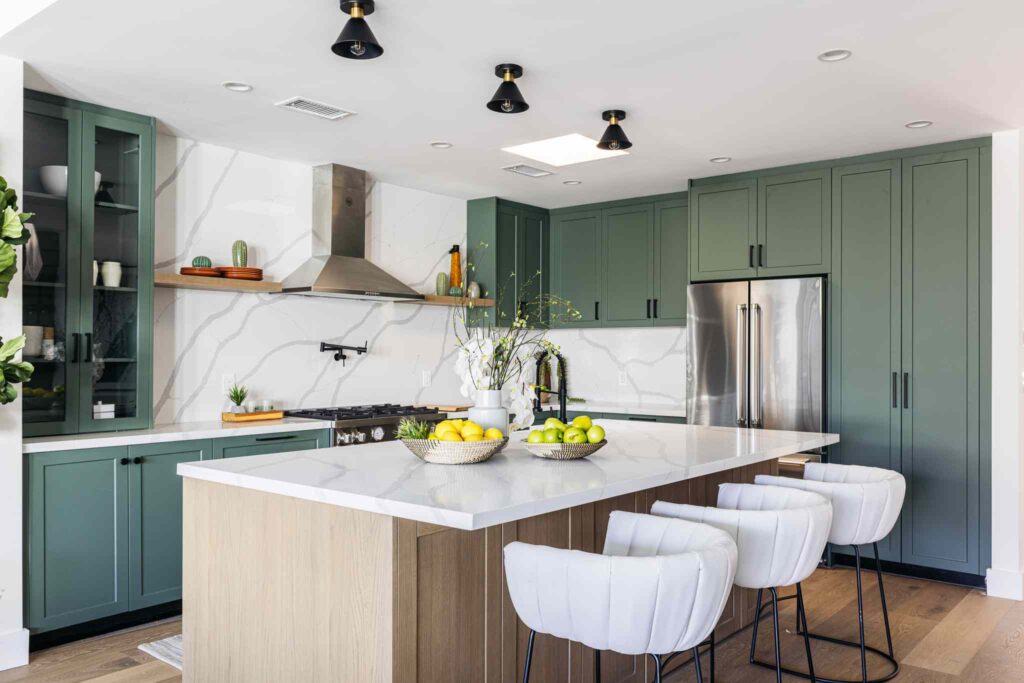
One of the biggest advantages of a kitchen island is functionality. An island adds valuable counter space for meal prep, entertaining and everyday living. Because it is typically built with cabinet boxes, it also increases closed storage. Many homeowners use islands to incorporate additional appliances such as a dishwasher, beverage fridge, microwave drawer or even a prep sink. In open concept homes, the island naturally becomes the hub where family and guests gather, creating both a visual focal point and a practical workspace.
That said, adding an island is not as simple as placing cabinetry in the middle of the room. Depending on the design, additional plumbing, electrical and venting may be required. These upgrades can add meaningful cost to a remodel. Beyond infrastructure, cabinetry and countertops themselves can represent a significant investment. For homeowners watching their budget, those costs need to be weighed carefully against the added function.
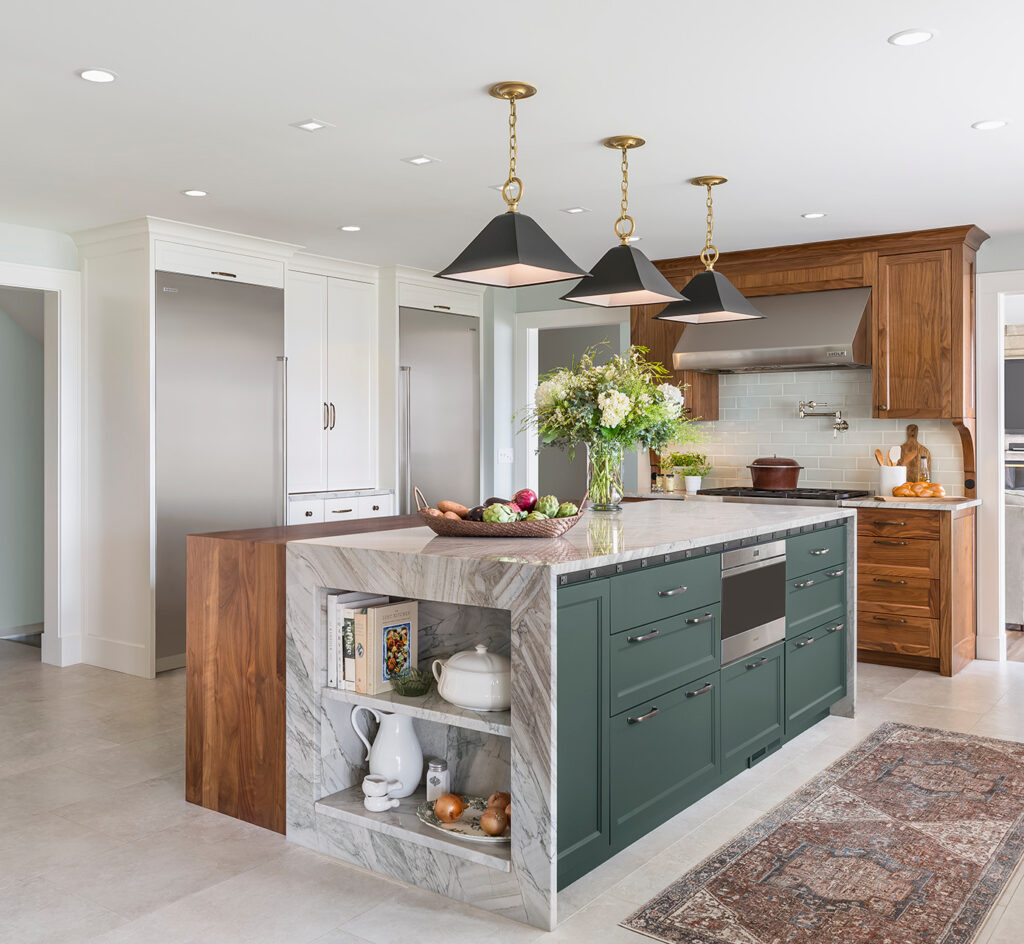
Space is another critical factor. An island needs room to breathe. Designers typically recommend at least 36 inches of clearance on all sides, with 48 inches being ideal for high traffic kitchens. When forced into a tight footprint, an island can interrupt flow instead of improving it. A good rule of thumb is that the island should complement the layout, not dominate it.
From a resale standpoint, islands still carry strong appeal. Most buyers value the added prep space, storage and seating. When thoughtfully designed, an island can enhance both daily living and long term marketability. In some cases, a freestanding or movable island can offer flexibility while reducing construction costs.

One common drawback is clutter. Because islands often sit in the center of the home’s activity, they can easily become drop zones for mail, backpacks and dishes. Smart storage planning and intentional design choices can help prevent that from happening.
The bottom line is that a kitchen island is not inherently right or wrong. It needs to fit the home’s footprint, budget and lifestyle. When done well, it adds real value. When forced, it can feel awkward and expensive.
If you are thinking about remodeling, preparing to sell, or investing strategically in updates that strengthen long term value, I’m happy to lend my expertise!. Reach out anytime to talk through your goals, compare options and create a smart plan that positions your property for both everyday living and future resale success.