Middle Housing Gains Ground in Bend
Townhomes, duplexes, triplexes, fourplexes and cottage clusters are making up a growing share of new housing in Bend as Oregon’s zoning reforms reshape how land is used. Lots that once held a single home are now accommodating multiple residences, a shift intended to increase supply, make better use of land, and create smaller ownership options in established areas.
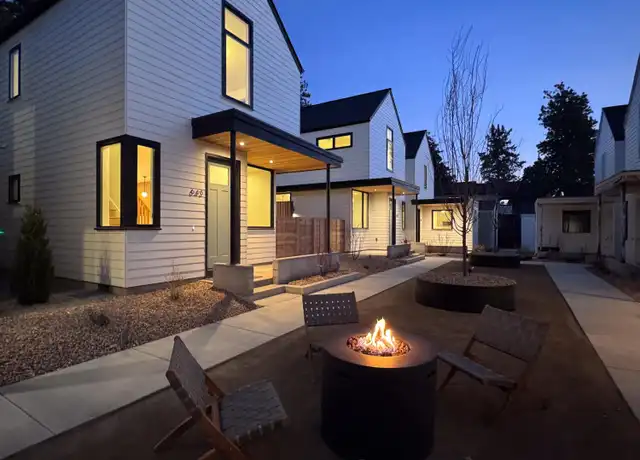
This type of development, often referred to as middle housing, sits between single-family homes and large apartment buildings. In 2025, roughly 170 middle housing units were built in Bend, representing about 12% of all residential construction. Since zoning reforms took effect in 2021, more than 400 middle housing units have been completed, with additional projects currently under construction.
State policy changes have made these projects easier to pursue by eliminating single-family-only zoning and allowing smaller lot subdivisions. Bend had already begun modernizing its zoning code before those statewide changes, but the pace of townhomes, duplexes and small multi-unit projects has accelerated noticeably.
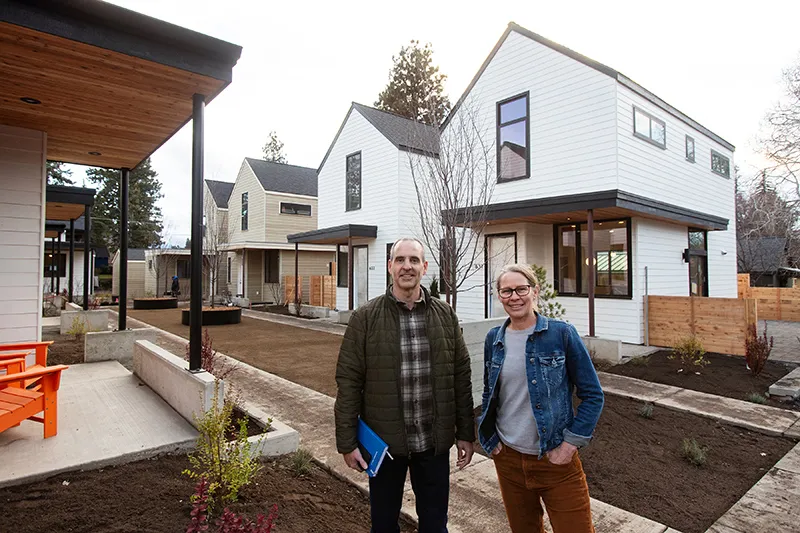
Affordability remains a key question. The city estimates it will need roughly 11,000 additional homes over the next two decades for households earning between 80% and 120% of area median income. While middle housing is often described as a more attainable option, recent sales suggest prices frequently align with Bend’s broader market. Some cottage-style homes have sold around $600,000, while other small-scale projects approach the city’s median single-family price.
Costs are a major constraint. Infill projects often trigger requirements to upgrade sidewalks, utilities and other aging infrastructure, which can add hundreds of thousands of dollars to a small development. These expenses can quickly limit feasibility, particularly for smaller builders.
Middle housing is not a silver bullet for Bend’s housing challenges, but it is becoming an increasingly visible part of how the city grows inward. Over time, the cumulative impact of these projects may play a role in expanding housing choices and easing pressure on limited land.
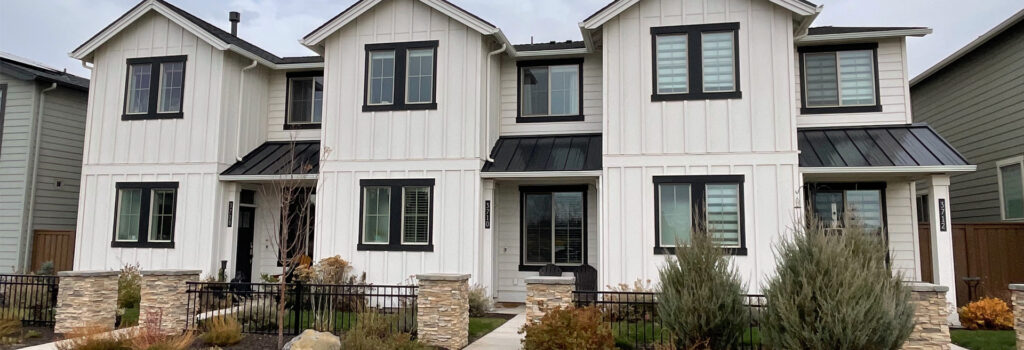
If you are thinking about buying, selling, or evaluating how new housing trends may affect your neighborhood or property value, reach out anytime. I am always happy to help you understand how these shifts fit into the bigger picture and what they may mean for your next move.