Oregon Weighs Easing Rules for Homes on Rural Land
Oregon lawmakers and state regulators are looking at changes to land use rules that could open up more housing construction on farmland and in small unincorporated communities across the state, with details expected to take shape heading into the 2027 legislative session.
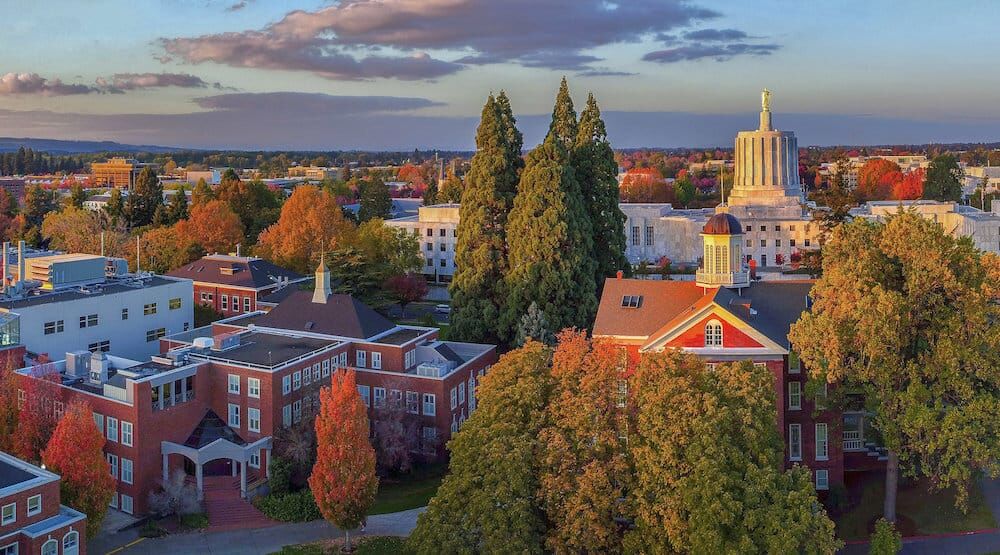
One proposal in the works would make it simpler for farm owners to build a second home on agricultural land. Right now, the process is often described as convoluted, and approval frequently hinges on the occupant’s relationship to the farm’s operator, typically requiring them to be a relative who helps run the operation. The bill being considered would replace that patchwork with more uniform standards, likely paired with limits on the size of the new dwelling and a requirement to use existing septic systems rather than adding new infrastructure. Lawmakers have pointed to a recently passed law easing accessory dwelling units in rural residential zones as a possible model for how the farmland version could work.
Separately, the state’s land use commission is reviewing regulations for unincorporated communities outside city limits, rules that have been on the books for about 30 years. The goal is modest growth, mixing residential development with some retail and commercial use so residents have more reason to shop and work closer to home instead of driving elsewhere. Updated rules are expected by early 2027, and any changes would be optional for counties to adopt rather than mandatory. State officials have said the update is not intended to open the door to data center development, though some lawmakers remain concerned that broader light industrial language could allow it unless specifically excluded.
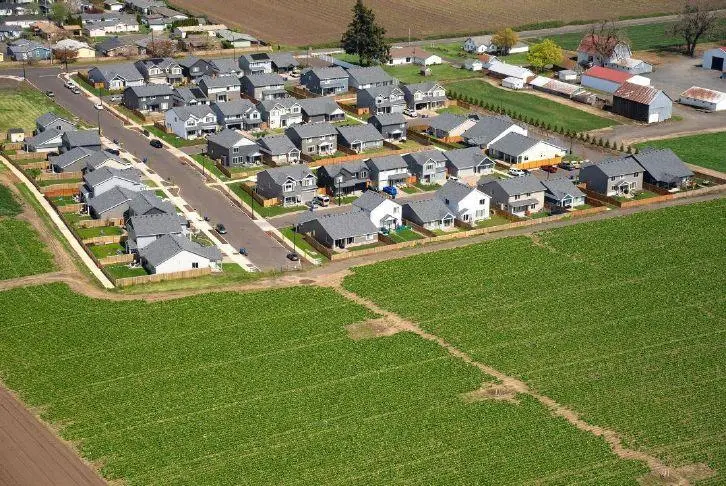
Some legislators have raised concerns about how quickly these changes are moving and whether they could undercut Oregon’s foundational land use planning law from 1973. There is also debate over whether more available land is really the fix for the state’s housing shortage, or whether the bigger obstacle is a lack of infrastructure, like roads, sewer, and water systems, to support new development in these areas.
If either proposal moves forward, it could open up new possibilities for landowners in farm country and for buyers interested in rural properties, though any real change is still a legislative session or two away. For now, it is worth watching if you own agricultural land or are considering a rural property with room to grow.
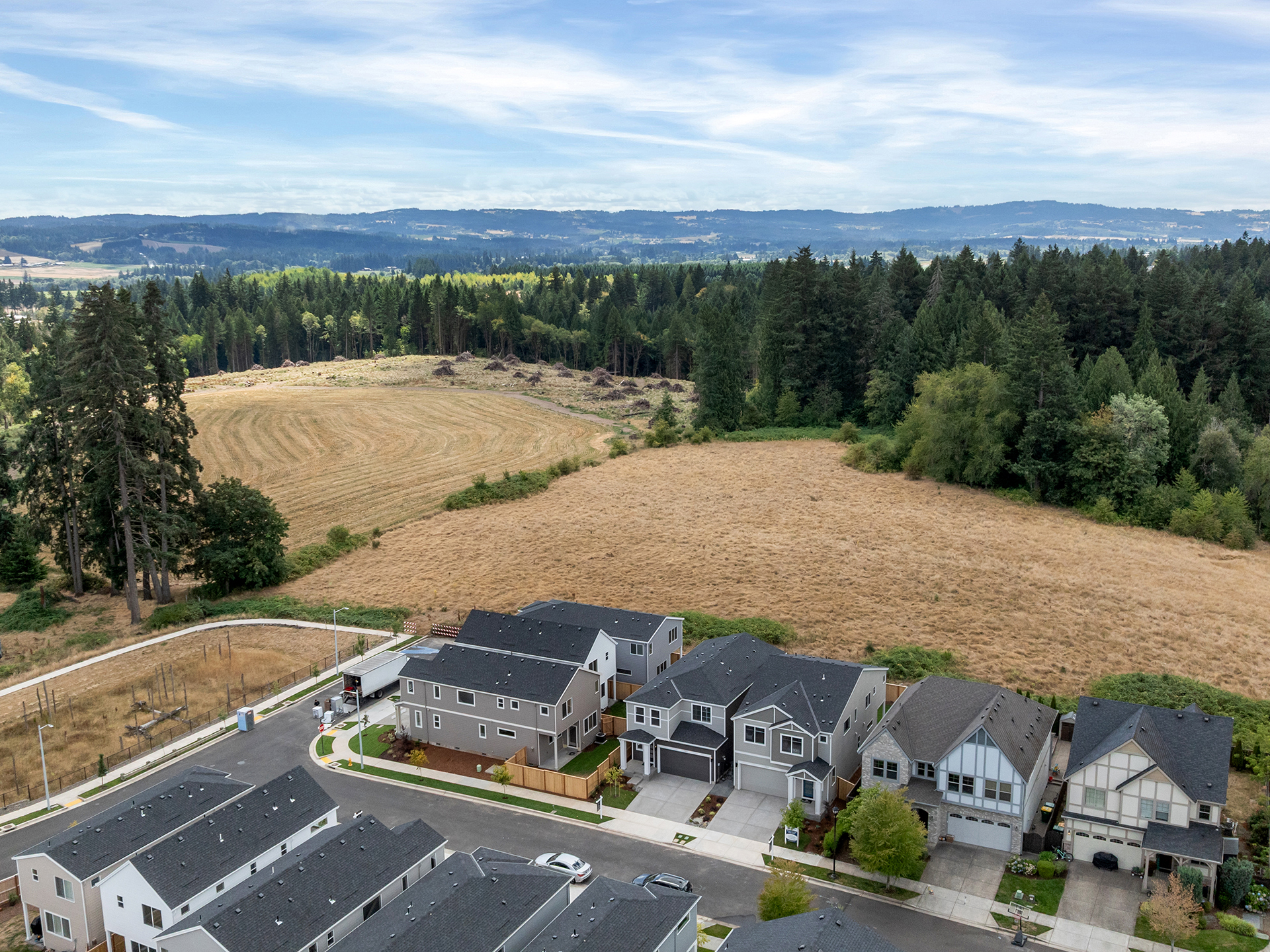
Whether you are exploring rural or farm property, wondering what these changes could mean for land you already own, or just keeping an eye on how Oregon’s housing rules are evolving, reach out anytime. I am always happy to help you sort through what it means for you!