The Smart Homeowner’s Flooring Guide
When it comes to wood flooring, the number of options can feel overwhelming. From classic hardwood to modern engineered planks and budget friendly alternatives, each choice comes with tradeoffs in cost, durability, installation and long term value. Understanding how these materials perform in real life can help homeowners choose flooring that fits both their lifestyle and future resale goals.
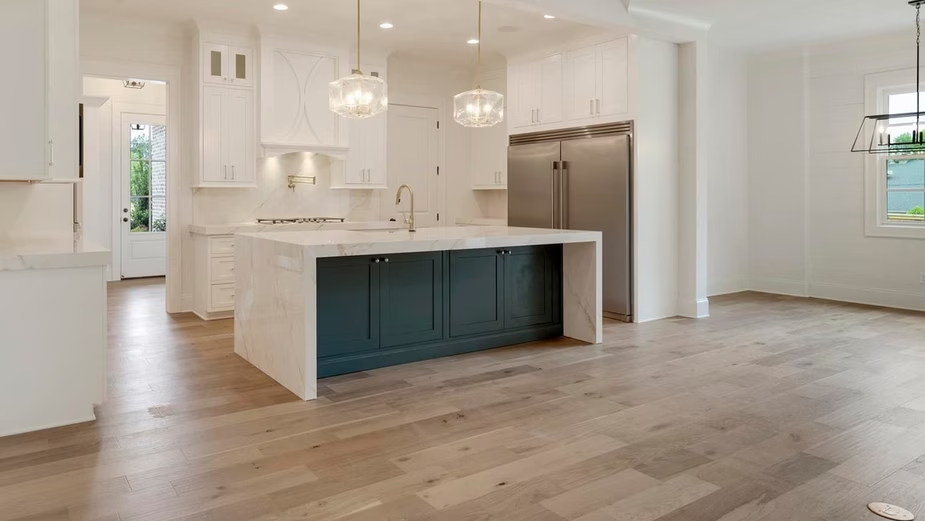
If resale value is a top priority, traditional hardwood remains the gold standard. It is widely recognized by buyers, adds warmth and character, and often strengthens a home’s overall appeal. Hardwood typically runs higher in material and installation costs and requires professional installation. It is also sensitive to moisture and humidity, which can lead to warping if not properly maintained. Harder species such as oak, maple and hickory tend to hold up better to heavy traffic, while softer woods may show wear more quickly. With proper care, hardwood floors can last for decades and be refinished multiple times.

For homeowners who want the look of real wood at a lower price point, engineered wood offers a compelling middle ground. It features a thin layer of real hardwood over a stable plywood core, giving it a similar appearance once installed. Engineered planks are often easier to install and tend to be more stable in changing temperatures and humidity levels. That stability makes them a practical choice in areas where solid hardwood might expand or contract. The main limitation is refinishing. Because the top layer is thinner, engineered floors can only be sanded and refinished a limited number of times. Even so, for many households, that lifespan is more than sufficient.
In humid climates or high traffic environments, luxury vinyl plank, commonly referred to as LVP, has become an increasingly popular option. While it does not contain real wood, it can closely mimic the appearance of hardwood at a fraction of the cost. It is typically less expensive per square foot and can often be installed without professional labor. LVP is highly resistant to moisture, making it a practical solution for waterfront homes, basements, mudrooms or households with kids and pets. Although it may not add the same resale appeal as true hardwood, its durability and ease of maintenance make it a strong functional choice.
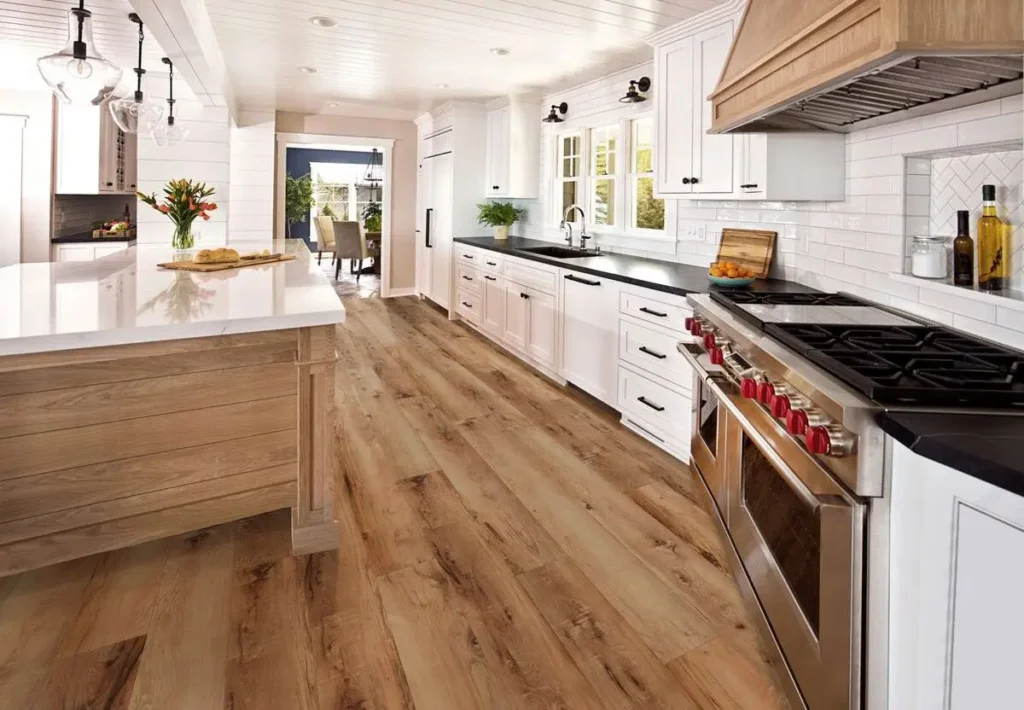
The right flooring ultimately depends on your priorities. If long term value and classic appeal matter most, hardwood remains a strong investment. If you want real wood aesthetics with added stability and lower cost, engineered wood may strike the right balance. And if durability, moisture resistance and budget flexibility are key, LVP deserves serious consideration.
If you are thinking about updating your home or preparing it for sale, flooring is one of the most impactful decisions you can make. Reach out anytime to talk through upgrades that strengthen both everyday living and long term value so you can make confident, well informed decisions!