


Woodburn’s Growth Story
When Woodburn was a small farming town of just 3,500 people back in the 1960s, no one could have predicted the transformation that would follow. The arrival of I-5 in 1966 fueled growth, and today, the city is in the middle of another big shift—one that combines housing expansion with large-scale industrial development.
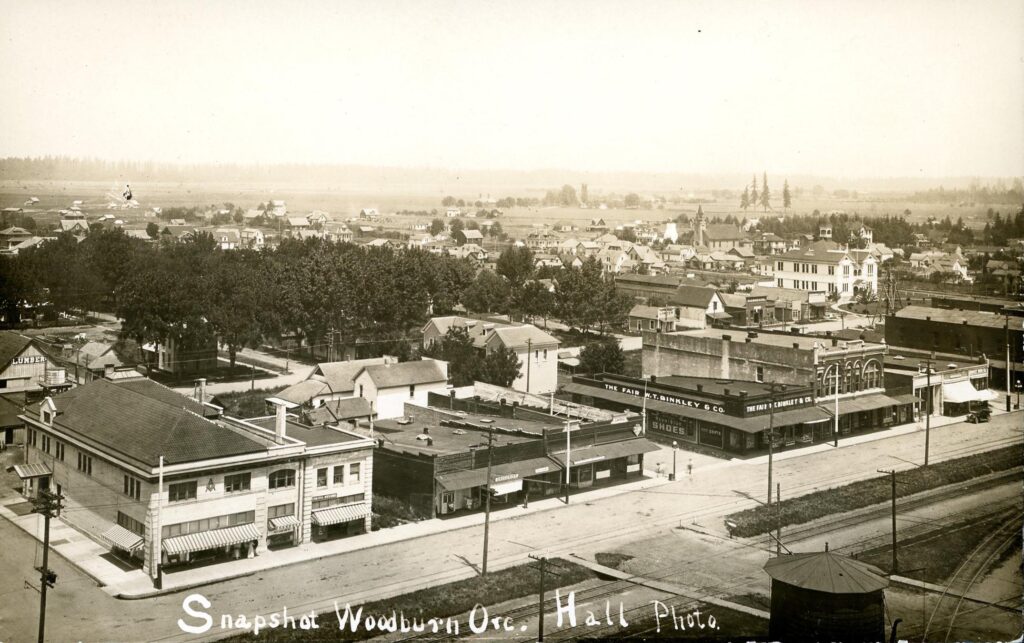
For decades, much of Woodburn’s workforce commuted out of the city for jobs. To change that, city leaders focused on bringing in industrial and commercial development. This strategy paved the way for projects like Walmart in the 90s, a massive WinCo distribution center, and the Woodburn Premium Outlets. Most recently, Amazon built a 3.85 million-square-foot distribution center that will open in 2025. Industrial projects like this generate significant tax revenue while using fewer city resources, which helps fund housing and infrastructure improvements.
Housing growth has followed closely behind. After years of slower building, Woodburn has seen a boom since 2020 with more than 2,000 new units built or approved. Major projects include Smith Creek Homes with 716 homes, Brighton Pointe with 219, and Mill Creek II with 136. The demand is strong, with projections showing another 500 units in 2025.
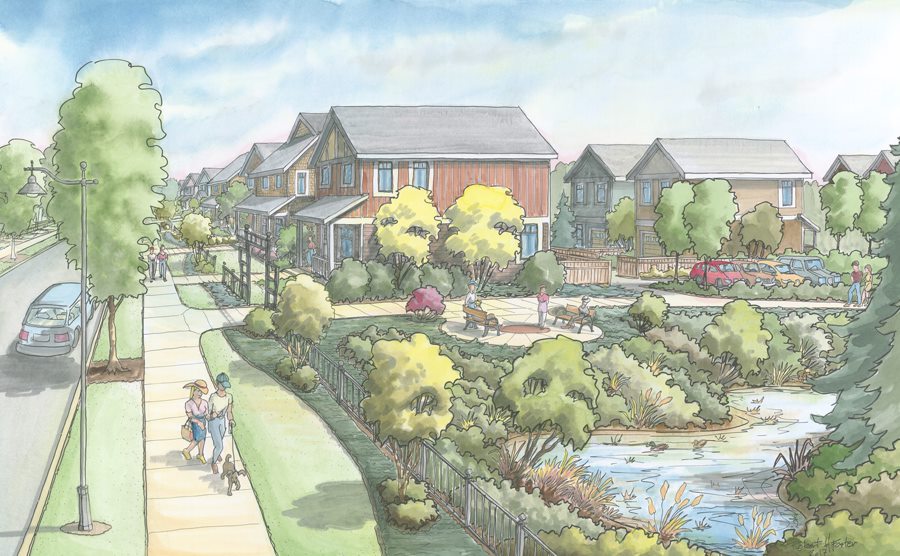
But affordability remains a challenge. Most new homes are selling for more than $400,000, and rents for new apartments hover around $1,800 per month. To address this, the city is partnering with nonprofit organizations to bring forward affordable housing projects, including a planned 96-unit development on Young Street.
Woodburn’s balance of industrial expansion and housing growth has put the city in strong financial shape. While nearby communities wrestle with budget shortfalls, Woodburn’s budget has grown from $173 million to $226 million in just one year. The city’s strategy ensures jobs for residents, revenue for services, and opportunities for builders and homebuyers alike.
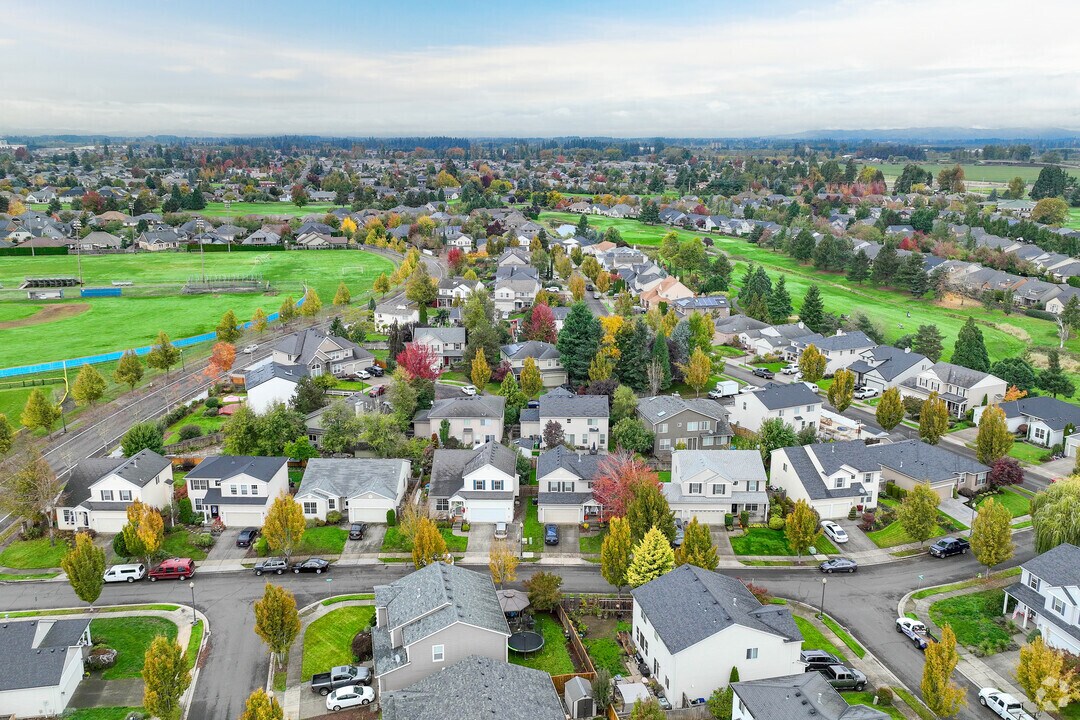
Of course, all of this growth raises a big question: how long can it last? Current projections show Woodburn could run out of land for new housing within two years, but for now, the city is thriving.
The takeaway is clear, Woodburn is one of the most active real estate markets in the Willamette Valley, and both buyers and investors are paying attention.
If you’re considering a move, whether buying, selling, or investing, now is the time to explore your options. Reach out to me anytime—I’d love to be your trusted advisor and help you make the most of today’s market opportunities!
